As a former early childhood educator with over 11 years in the classroom, I have watched thousands of children navigate the bridge between preschool and primary school. If there is one piece of advice I find myself repeating during orientation visits, it is this: School readiness is about the whole child, not about their ability to write their name or count to fifty.
While the pressure to focus on "early academics" often keeps parents awake at night, the truly transformative skills for a new kindergartner are the self-help skills. Can they manage their belongings? Can they open their lunchbox? And, most importantly, can they navigate the bathroom independently? These are the building blocks of confidence. When a child masters these physical tasks, they aren't just learning hygiene; they are learning that they are capable, autonomous individuals.
The Whole-Child Approach to Independence
When we talk about "school readiness," we are looking at physical, social, and emotional maturity. counting games Many parents feel that toileting is purely a biological milestone, but it is actually a complex sequence of motor planning, sensory regulation, and sequencing.
If your child is struggling with toileting, please remember that you are not alone. Transition supports, such as orientation visits and information sessions hosted by your local primary school, are designed specifically to help you identify these milestones. During these sessions, you can often speak directly with qualified early childhood educators who can provide tailored strategies for your child’s specific stage of development.
Mastering the Toilet Routine: From Start to Finish
The toilet routine for a preschooler at school is different from the comfort of home. At school, bathrooms are often busier, the toilet paper is different, and the sense of urgency can be higher. To help your child feel secure, we need to break the routine down into manageable, teachable steps.
1. Wiping and Hygiene
Wiping is often the biggest hurdle. It requires core strength, balance, and fine motor precision. If a child hasn't mastered the reach or the coordination, it can lead to anxiety.
- The Practice Technique: Use a balloon or a doll to practice wiping motions. It’s low-stakes and helps them understand the "front-to-back" rule. Wiping and Flushing: Explicitly teach the sequence. Many children get so excited to finish that they forget the most important part: flushing. Create a visual checklist for home to help reinforce the habit.
2. The Art of Handwashing
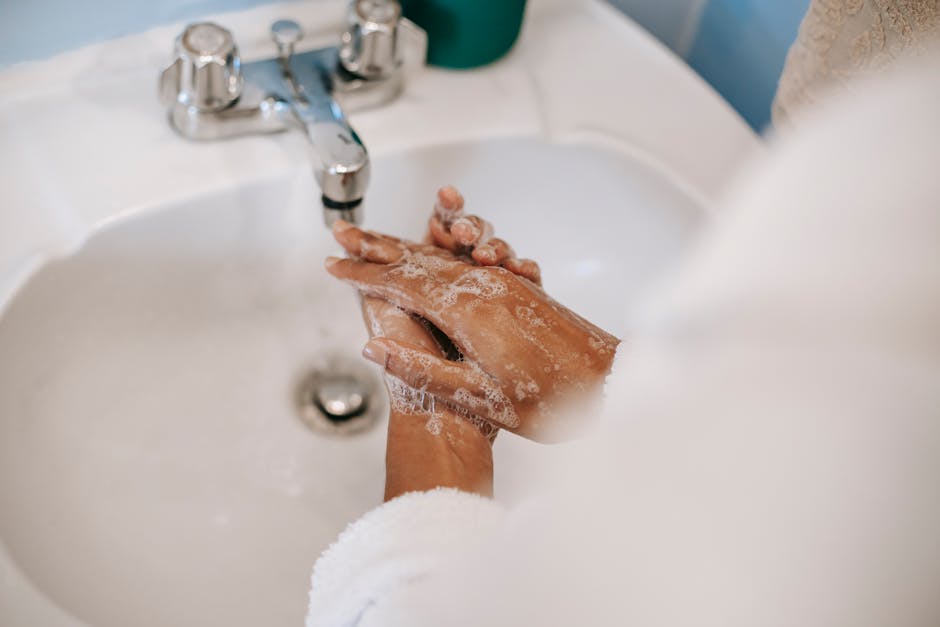
Handwashing after the toilet is a non-negotiable health practice in a school environment. To make this an automatic behavior, use a song. Whether it's "Happy Birthday" or a custom rhyme, it ensures the child spends enough time scrubbing. Focus on the physical act of using soap and running water, ensuring they can manage the tap independently.
The Role of Fine Motor Play in Toileting
You might be surprised to hear that the best way to prepare for toileting isn't just sitting on the toilet—it’s playing. The fine motor skills required to manage clothing (zippers, buttons, and elastic bands) are the same skills refined through play-based learning activities.
Activity Skill Developed Link to Independence Building with Blocks Spatial awareness and planning Understanding how clothes sit on the body Puzzles Sequencing and problem-solving Navigating the steps of the toilet routine Playdough Finger strength and dexterity Managing buttons and bathroom latches Child-safe Scissors Bilateral coordination Using both hands to manipulate clothing/toilet paper Art Materials Pincer grasp development Managing toilet paper tear-offBy engaging in these activities, children develop the "hand-eye" coordination required for toileting. If you notice your child has persistent trouble with these motor skills, consider consulting with occupational therapists. They are experts in understanding how a child’s sensory processing and motor planning impact their ability to perform daily self-help tasks.
Beyond the Bathroom: The Lunchbox and Belongings
Independence is a holistic experience. If a child can wipe and flush but cannot open their water bottle or their sandwich container, they will still feel a loss of control at school.
Lunchbox Skills
Practice "lunchbox day" at home. Put your child’s actual school lunchbox on the table and have them try to open every packet, container, and lid. If they can’t, we don't just "do it for them." We look for alternatives—easier containers, pre-peeled fruit, or containers with pop-top lids. This empowers them to feed themselves, which is a massive boost to their confidence during the social lunch hour.
Managing Belongings
Can they put on their own jumper? Can they hang their bag on a hook? These "soft skills" of independence allow teachers to focus on teaching rather than managing logistics. When a child can manage their own clothes and belongings, they feel like "big school kids" from day one.
When to Seek Professional Support
As an educator, I often hear parents worry that their child is "behind." It is vital to remember that every child develops at their own pace. However, if your child is consistently struggling with multiple areas of self-help, you might seek the guidance of specific professionals:
- Occupational Therapists: If the physical task (e.g., motor planning or balance) is the barrier. Speech Pathologists: If the child struggles to follow the multi-step directions required for a complex routine like going to the bathroom, washing hands, and returning to class. Qualified Early Childhood Educators: For observation-based feedback on how your child functions in a group setting compared to their peers.
Practical Tips for a Smooth Transition
Transitioning to school is a journey, not a sprint. Use these practical strategies to lower the temperature around self-help learning:
Simplify Clothing: Avoid tricky belts, complex buttons, or tight overalls in the first term. Opt for loose elastic-waist pants that are easy to pull up and down quickly. Consistent Visuals: Place a simple "Bathroom Steps" chart inside your home bathroom door. Use photos of your own child doing the steps (e.g., sitting, wiping, flushing, washing) to make it personal. Language Matters: Instead of saying "You need to do this yourself," try, "I know you’re getting ready for big school, and I’m so excited to see how much you’ve learned!" Utilize School Supports: Attend every orientation visit and information session. These events are not just for the children; they are for you to understand the bathroom facilities your child will use so you can practice similar habits at home.The Final Word: Connection Over Perfection
Above all, remember that your child’s teacher is there to help. We expect children to be learning—that is literally our job. We expect accidents, we expect confusion, and we expect that some children will need extra support for a few weeks or months.
Focusing on handwashing after the toilet, teaching the sequence of wiping and flushing, and encouraging independent toilet routine preschooler habits will give your child the best head start possible. But don't let these goals overshadow the excitement of this new chapter. Keep your practice play-based, keep your expectations realistic, and keep the conversation open. Your child is ready, and with your gentle support, they will navigate the school bathroom—and the school day—with pride.
If you have any specific concerns about your child's transition, start by talking to your preschool teacher. They have seen your child in a social group setting for months and can offer invaluable insights into how your child manages their independence compared to their peers. You are your child’s best advocate, and by preparing these simple self-help skills now, you are giving them the gift of self-confidence that will last a lifetime.